" The Mekong Delta. A labyrinth of rivers, canals, and flooded fields. Life here is inextricably linked to the water, and its bounty. From the iconic Ca Mau Mud Crab, with its substantial claws and sweet flesh, to the shimmering schools of Black Tiger Prawns destined for kitchens across the globe. These precious resources, harvested with generations of skill, often travel far. And for that journey, preservation is key. For years, the question lingers: does the journey from water to freezer, then to our plates, strip away the very essence of what makes seafood so vital? "
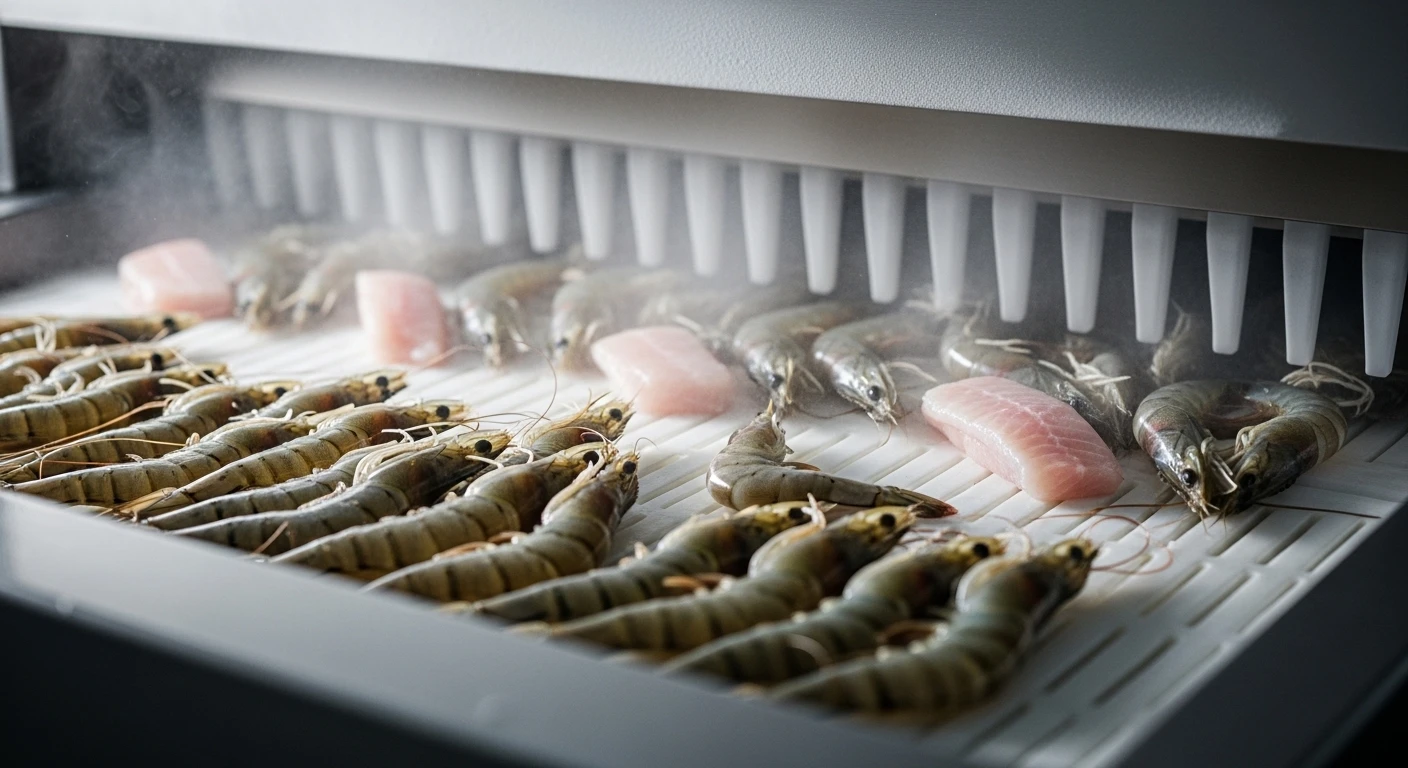
📸 The chill of preservation: IQF technology at work.
1 Debunking the "Dead" Fish Myth
The term "frozen food" often conjures images of bland, mushy ingredients, a shadow of their fresh counterparts. But when it comes to seafood, especially when handled with advanced techniques like Individually Quick Frozen (IQF), the reality is far more nuanced – and often, surprisingly positive.
Think about the journey. A Ca Mau Black Tiger Shrimp, caught in the mangrove-rich waters, needs to reach a discerning palate in Paris or London. If it's not consumed within hours, its delicate proteins and fats begin to degrade. Traditional freezing methods, which create large ice crystals, can rupture cell walls, leading to that dreaded texture loss and flavor deterioration.
But IQF is a different beast entirely. It's not just about making things cold; it's about doing it incredibly fast, on an individual piece basis.
Traditional Freezing
Slow process, large ice crystals form. These crystals act like tiny knives, damaging cell structures, leading to moisture loss, tougher texture, and a diminished flavor profile upon thawing.
IQF (Individually Quick Frozen)
Rapid blast freezing of individual pieces. Tiny ice crystals form, preserving cell integrity. This minimizes moisture loss, preserves texture, and locks in flavor, making it remarkably close to fresh.
2 The IQF Advantage: Science in Action
IQF technology is the secret weapon. It works by exposing small portions of food to extremely cold air (often -30°C to -40°C or -22°F to -40°F) at high speed. This rapid temperature drop is crucial because it freezes the water within the food cells almost instantaneously, forming tiny, uniform ice crystals.
Why is this so significant for nutrition? Proteins, fats, vitamins, and minerals are all largely contained within the cellular structure of the seafood. When large ice crystals form slowly, they can pierce and break these cell walls. Upon thawing, this damage leads to leakage of essential nutrients and juices. Proteins denature, fats can oxidize, and the overall nutritional profile suffers.
IQF, however, minimizes this. The tiny ice crystals form *within* the cells, preserving the cellular structure. The process is so quick that enzymatic and microbial activity, which degrade quality and nutrition over time, are effectively halted.
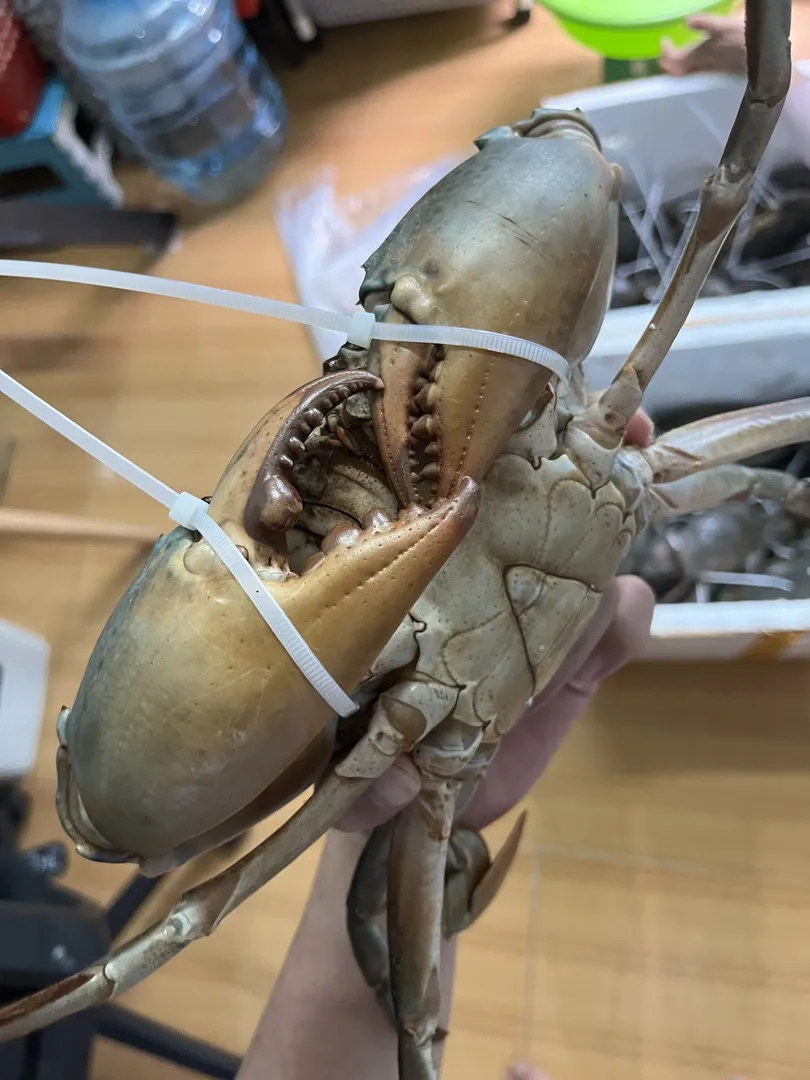
Heritage Ingredient
Ca Mau Jumbo Mud Crab
Ca Mau Jumbo Mud Crab
A large male mud crab prized for dense, sweet meat and thick claws, commonly used in steamed crab and grilled crab dishes across the Mekong Delta.
An icon of coastal culinary heritage, featuring firm, sweet meat that captures the raw power and freshness of Ca Mau's tides.
Studies have consistently shown that seafood frozen using IQF technology can retain up to 95% of its original protein content and essential minerals. This is a staggering figure, often comparable to, and sometimes even exceeding, the nutritional value of "fresh" seafood that has undergone days of transportation and warehousing before reaching the consumer.
3 The Nutrient Treasury: What Stays Locked In
When we talk about the nutritional value of seafood, we're referring to a complex array of compounds vital for human health:
Proteins
The building blocks of our bodies. Seafood is a complete protein source, essential for muscle repair, enzyme function, and immune response.
Minerals
Such as zinc, iodine, selenium, and iron, crucial for various metabolic processes, thyroid function, and oxygen transport.
Omega-3 Fatty Acids
DHA and EPA, renowned for their heart-health benefits, brain function support, and anti-inflammatory properties.
IQF freezing effectively locks these nutrients in place. The key is *when* the freezing occurs. Seafood that is flash-frozen moments after being caught, perhaps on a vessel in the Gulf of Thailand, has a significant head start over fish that is iced, transported, processed, and then frozen days later.
4 From the Mangrove Shores to Your Table
In the Mekong Delta, the relationship with the sea and rivers is one of respect and dependence. The livelihoods of communities in places like Ca Mau are built on the sustainable harvesting of its aquatic treasures. Methods for ensuring freshness from the moment of catch are paramount, not just for quality, but for the economic survival of these regions.
Consider the traditional preservation methods that have existed for centuries, long before modern refrigeration. Sun-dried shrimp and fermented fish pastes, like the pungent Mekong-Style Fermented Sour Shrimp, are testaments to the ingenuity of locking in flavor and nutrients through skillful processing. While these are different from IQF, they highlight a long-standing cultural understanding of how to preserve the sea's bounty.
Modern IQF technology amplifies these preservation goals. For seafood caught in the rich waters off the Vietnamese coast, rapid freezing soon after harvest ensures that the high protein and omega-3 content is preserved for consumers thousands of miles away. It allows the delicate sweetness of a Mekong Giant Freshwater Prawn or the dense meat of a mud crab to be experienced at its peak, even long after it has left its delta home.
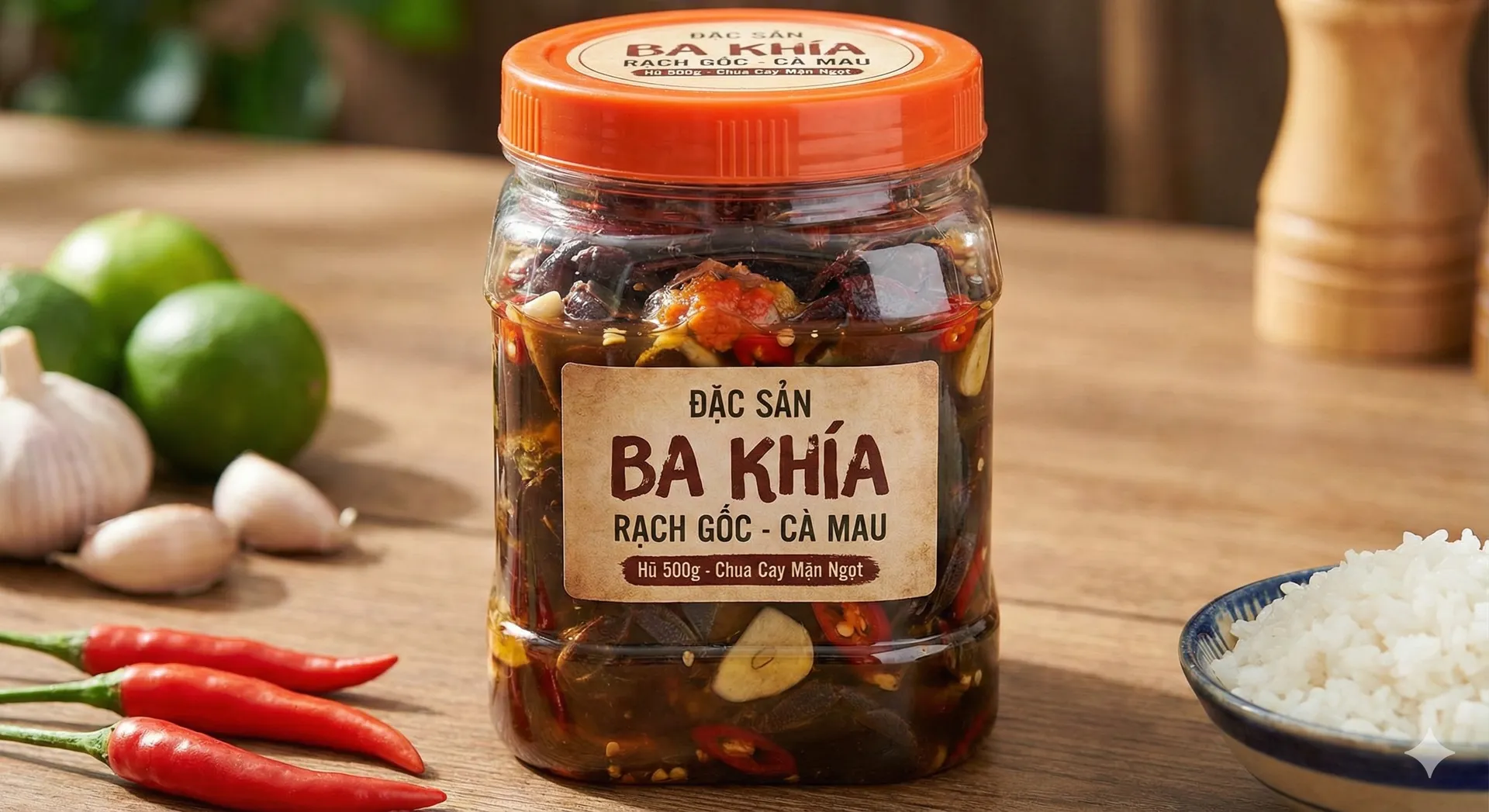
Heritage Ingredient
Fermented Mangrove Crab (Ba Khia)
Fermented Mangrove Crab (Ba Khia)
A traditional fermented crab specialty from the mangrove region of Rach Goc, often cited in articles about rustic Mekong Delta flavors and preserved seafood culture.
The salty-sour heartbeat of the wild south, where traditional fermentation turns forest crabs into a nostalgic explosion of rustic Mekong soul.
5 Unlocking the Goodness: Proper Thawing
The nutritional value is largely preserved by IQF, but how you thaw your frozen seafood can impact the final quality. Avoid the temptation to leave it on the counter all day. Instead:
The Best Method: Refrigerator Thawing
- This is the safest and most effective way. Place the seafood in a sealed bag or container on a plate (to catch drips) and refrigerate overnight.
- This slow thaw maintains the cellular integrity as much as possible and prevents bacterial growth.
The Quick Method: Cold Water Thawing
- For faster results, place seafood in a sealed, leak-proof bag and submerge it in a bowl of cold tap water.
- Change the water every 15-20 minutes. This is quicker than refrigeration but requires more attention.
Never thaw seafood at room temperature, as this allows the outer layers to warm up and potentially spoil while the inside is still frozen, leading to uneven cooking and potential bacterial issues.
6 Separating Fact from Fiction
❓ Does freezing kill bacteria?
❓ Is "freshly caught" always better than frozen?
❓ Does long-term storage degrade nutrients in IQF seafood?
7 The Bottom Line: Trust the Chill
For the discerning home cook and health-conscious consumer, the takeaway is clear: don't shy away from high-quality frozen seafood, especially when it's been processed using IQF technology. It's a testament to modern food science that allows us to enjoy the nutritional benefits of treasures from distant waters, like those from the vibrant Mekong Delta, in our own kitchens.
When selecting frozen seafood:
- Look for packaging that clearly states "Individually Quick Frozen" or "IQF."
- Ensure the packaging is intact, with no signs of thawing and refreezing (e.g., ice crystals clumped together).
- Check for a "best by" date.
The nutritional value of seafood is a powerful reason to include it in your diet. Thanks to IQF, you can be confident that when you purchase and properly thaw flash-frozen fish or shellfish, you're still getting a potent dose of protein, minerals, and healthy fats. The journey from the water may involve a chill, but the goodness remains.
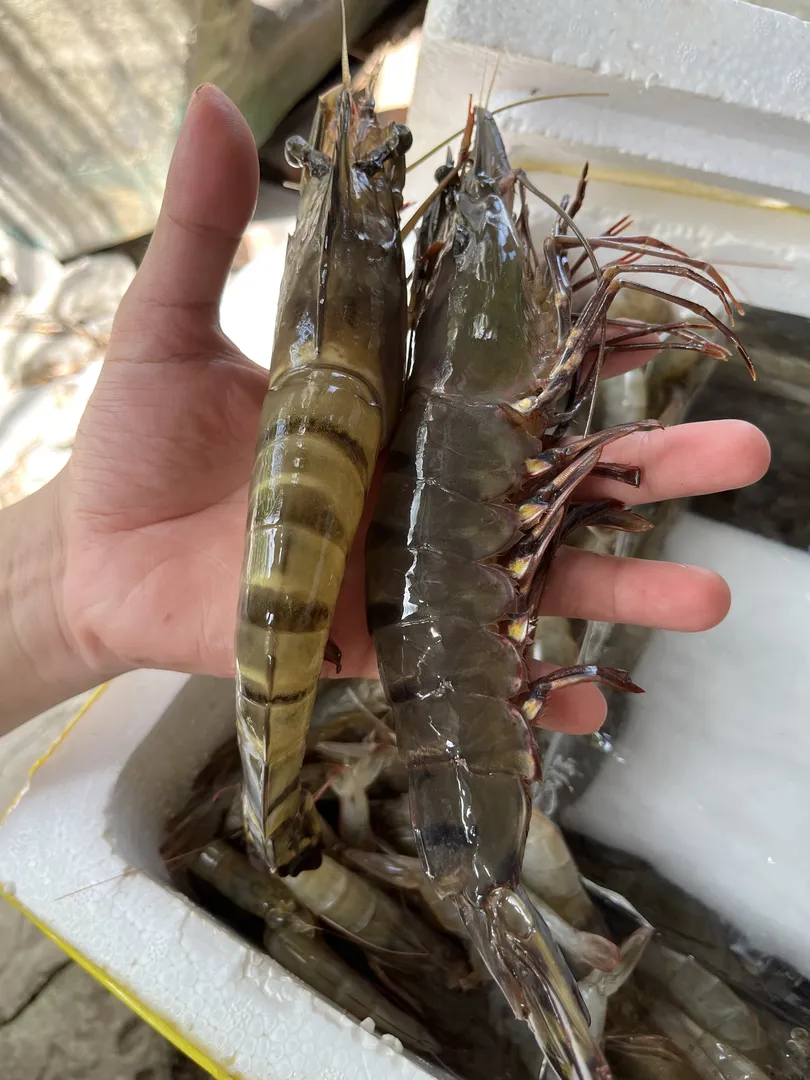
Heritage Ingredient
Ca Mau Black Tiger Shrimp
Ca Mau Black Tiger Shrimp
Large black tiger shrimp associated with mangrove aquaculture in Ca Mau, known for firm flesh and a cleaner, sweeter finish than intensively farmed shrimp.
Wild spirits of the mangroves, these black-banded gems deliver a firm, snappy texture and a sweetness that echoes the forest's vibrant life.
Related Topics:
Dive Deeper: Healthy Seafood Insights
View More Health & Nutrition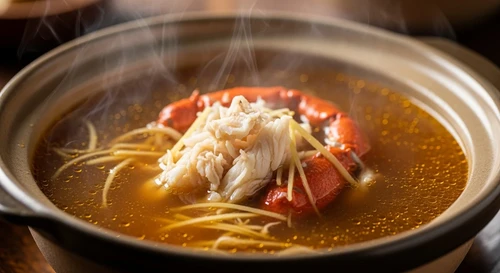
Should the Elderly Drink Crab Steaming Broth? A Gout Warning
The broth is delicious but contains highly concentrated purines. Why it's a dangerous 'poison' for those with weak kidneys or arthritis.
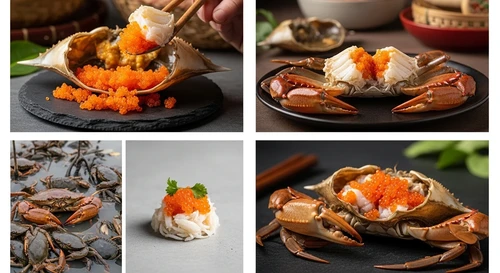
High Cholesterol and Crab Roe: A Warning for Heart Patients
While crab meat is lean, the delicious orange roe is packed with cholesterol. How to portion your seafood safely.
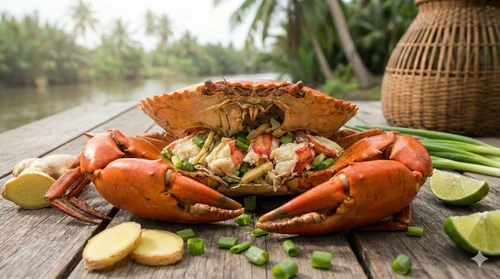
Crab Meat for Men's Vitality
The link between seafood and testosterone.
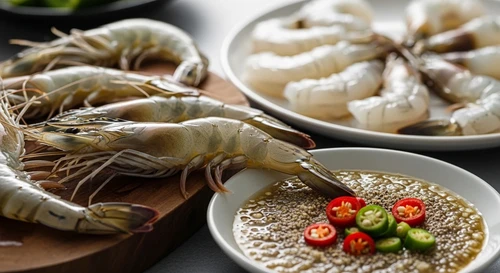
Is the Dark Vein in Shrimp and Prawns Toxic?
Clearing up the confusion about the digestive tract of crustaceans. It's not toxic, but here is why you should still remove it.
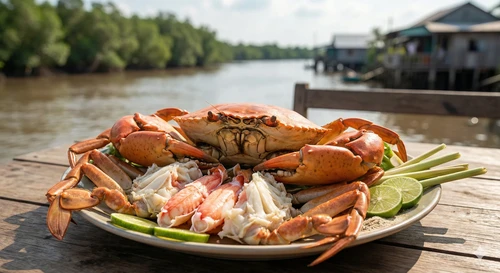
Cholesterol Myths: Is Crab Bad for Heart?
Debunking the myth about seafood and cholesterol.
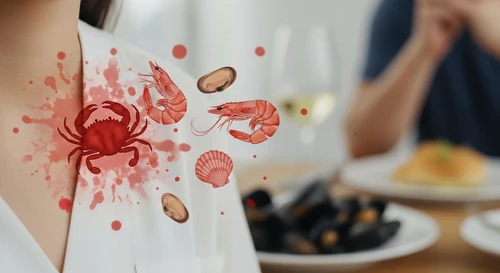
Seafood Allergies: Symptoms and Immediate First Aid
How to recognize the difference between mild hives and anaphylaxis after eating shellfish, and what to do next.
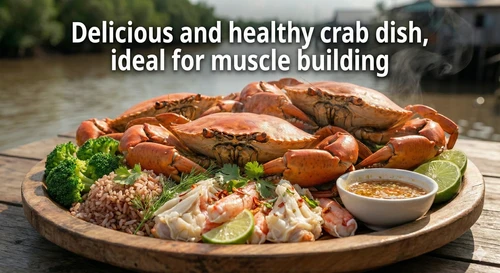
Building Muscle with Crab Meat
Why bodybuilders should add crab to their meal prep.
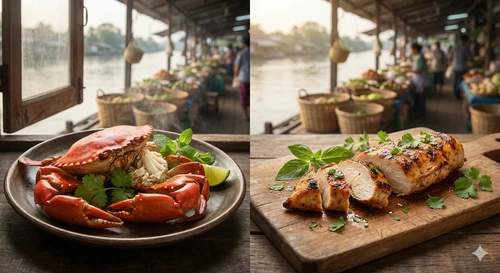
Crab vs. Chicken: Which is Healthier?
Battle of the lean proteins.
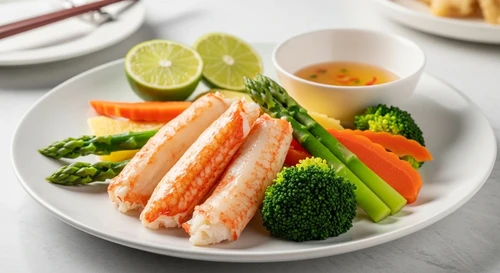
Eat Clean with Crab: Low-Calorie Diet Plans
How to incorporate steamed crab meat into your weight-loss journey without sacrificing flavor or feeling hungry.