" Forget the sterile ponds and the antibiotic cocktail. The true future of shrimp farming lies not in controlling nature, but in working with it. And in Ca Mau, the heart of the Mekong Delta, that future is already here. "
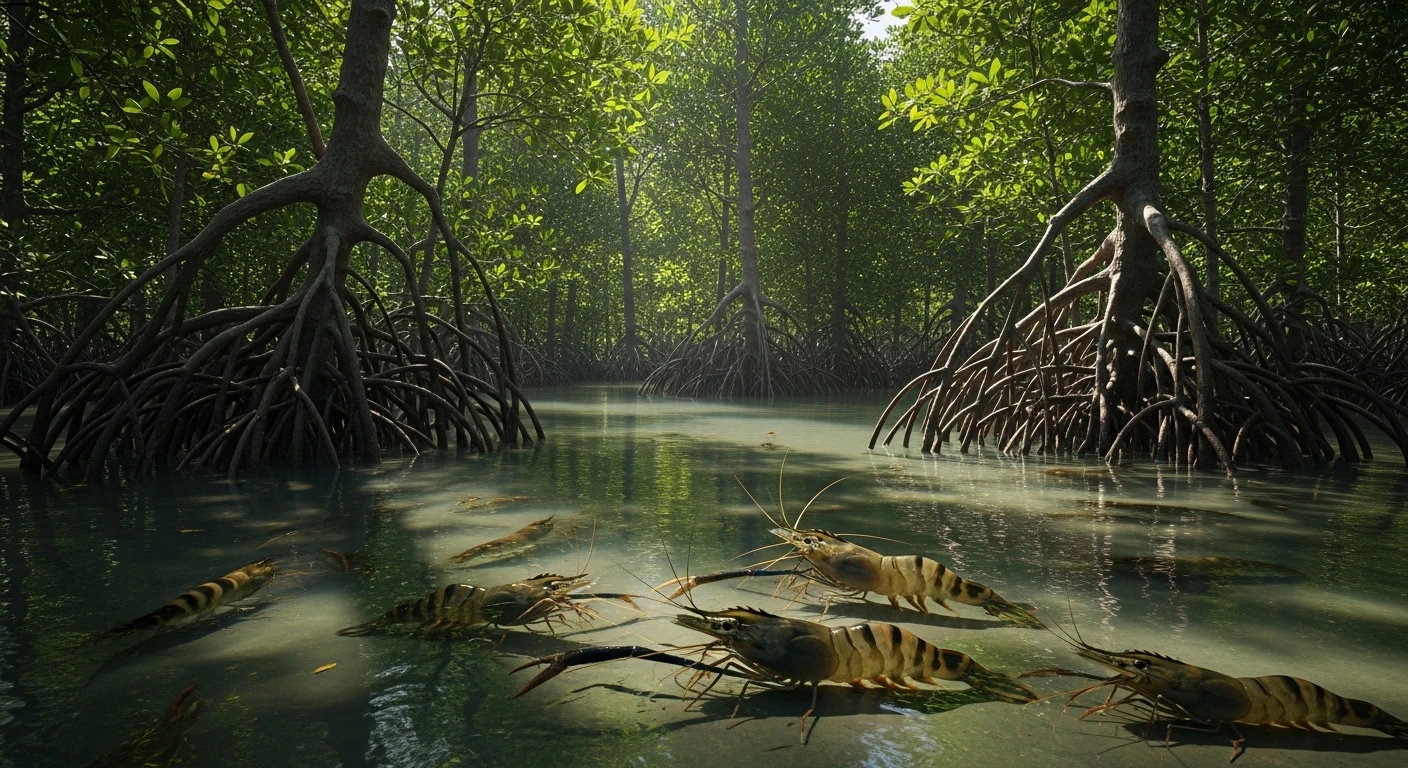
📸 The emerald embrace: Tiger prawns thriving beneath the mangrove canopy.
1 Where the River Meets the Sea: Ca Mau's Coastal Charms
The Mekong Delta is a labyrinth of rivers, canals, and fertile floodplains. But along its southwestern coast lies a unique ecosystem: the mangrove forests of Ca Mau province. This intricate network of salt-tolerant trees forms a vital buffer, a nursery for countless marine species, and a living, breathing barrier against the encroaching sea. For generations, the people here have lived in harmony with this dynamic environment, their livelihoods intricately woven with the ebb and flow of the tides.
Traditionally, this region has been known for its wild-caught seafood – succulent crabs, plump fish, and, of course, shrimp. But as global demand for shrimp surged, so did the pressure on these delicate coastal zones. The old ways of extensive, low-impact aquaculture began to be supplanted by intensive farming methods, often leading to environmental degradation and concerns over antibiotic use.
However, a new wave is rising in Ca Mau, one that honors the wisdom of the past while embracing a future of sustainability and quality. This is the era of "eco-shrimp," specifically, Black Tiger Prawns reared naturally within the mangrove ecosystem.
2 A Natural Filtration System, A Nutrient-Rich Diet
What makes mangrove-reared shrimp so special? It all comes down to the environment. Unlike ponds constructed in barren land, these farms are integrated directly into the existing mangrove forests. The dense root systems of the trees act as a natural filtration system, improving water quality and reducing sedimentation.
More importantly, the mangroves provide a rich, natural larder for the shrimp. As leaves and organic matter from the trees decompose, they fuel a complex food web. The prawns, primarily Black Tigers (Penaeus monodon), feed on the plankton, algae, and small invertebrates that flourish in this nutrient-rich environment. This varied, natural diet is the secret to their superior flavor and texture.
Antibiotic-Free Assurance
Because the shrimp are raised in a biodiverse, open system with excellent water circulation and natural food sources, the need for antibiotics or artificial feed is dramatically reduced, if not eliminated entirely. This means cleaner shrimp for you, and a healthier environment for all.
Superior Flavor & Texture
The natural diet contributes to firmer flesh, a more pronounced sweetness, and a cleaner finish on the palate. These aren't just shrimp; they're a taste of the pristine Mekong coast.
3 The Majesty of the Black Tiger Prawn
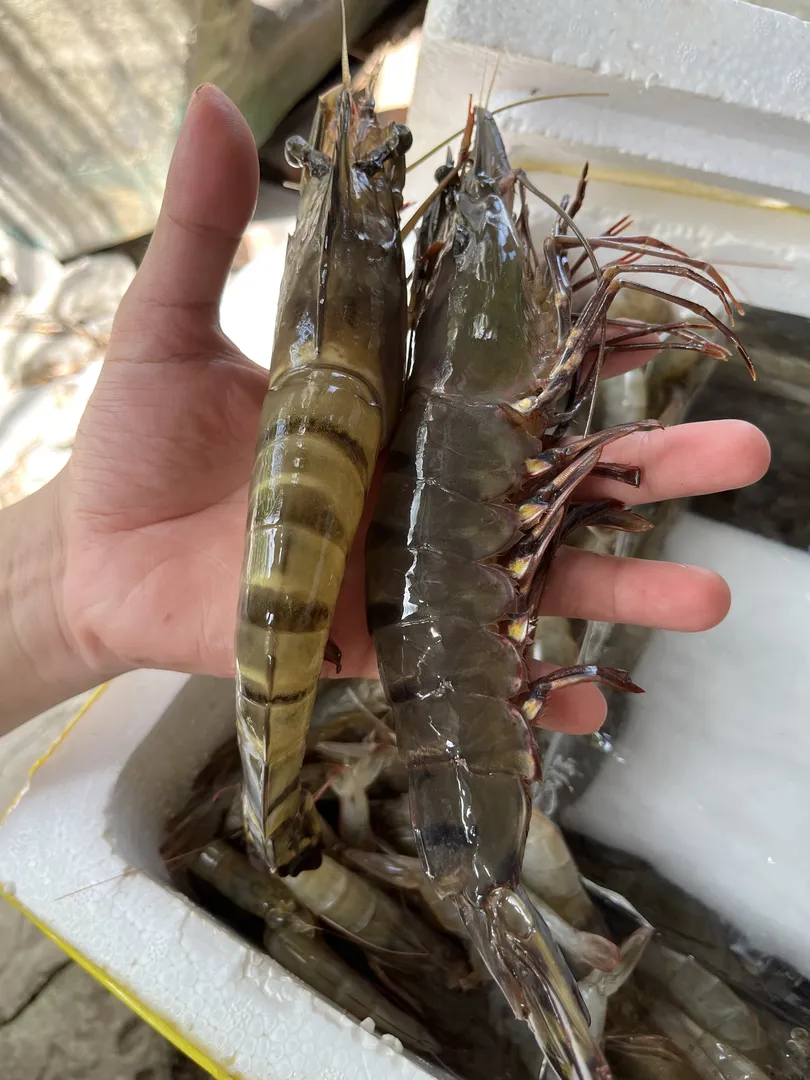
When we talk about eco-shrimp in Ca Mau, we're primarily referring to the majestic Black Tiger Prawn (Penaeus monodon). These are not your average shrimp. Known for their striking dark stripes against a reddish-orange shell, they grow to impressive sizes. Mangrove-reared specimens often exhibit a remarkable firmness and a depth of flavor that is simply unmatched by their intensively farmed counterparts.
The cultivation method ensures that these prawns develop slowly, naturally, allowing their characteristic sweetness and succulent texture to mature. This slower growth and natural diet are the hallmarks of premium, sustainably sourced seafood.
Heritage Ingredient
Ca Mau Black Tiger Shrimp
Ca Mau Black Tiger Shrimp
Large black tiger shrimp associated with mangrove aquaculture in Ca Mau, known for firm flesh and a cleaner, sweeter finish than intensively farmed shrimp.
Wild spirits of the mangroves, these black-banded gems deliver a firm, snappy texture and a sweetness that echoes the forest's vibrant life.
4 Why the Premium? It's All About Value.
In today's discerning market, consumers are increasingly willing to pay more for seafood that is not only delicious but also ethically and sustainably produced. Eco-shrimp from Ca Mau's mangroves tick all these boxes.
The premium price reflects:
- Superior Quality: Unbeatable taste and texture.
- Health Benefits: Antibiotic-free and free from harmful chemicals.
- Environmental Stewardship: Protection of vital mangrove ecosystems.
- Traceability: Often, these operations offer greater transparency from farm to table.
- Livelihood Support: Empowering local communities who practice sustainable aquaculture.
This isn't just about buying shrimp; it's an investment in health, environment, and authentic flavor. The demand from high-end restaurants and conscious consumers globally is driving this market segment forward. By 2026, expect to see these mangrove-reared prawns increasingly sought after, commanding their rightful place at the top of the seafood hierarchy.
A Ecosystem of Flavor
The mangrove ecosystem in Ca Mau is a treasure trove of unique flavors. While eco-shrimp are leading the charge, the region offers other delights harvested with similar respect for nature.
Fermented Mangrove Crabs
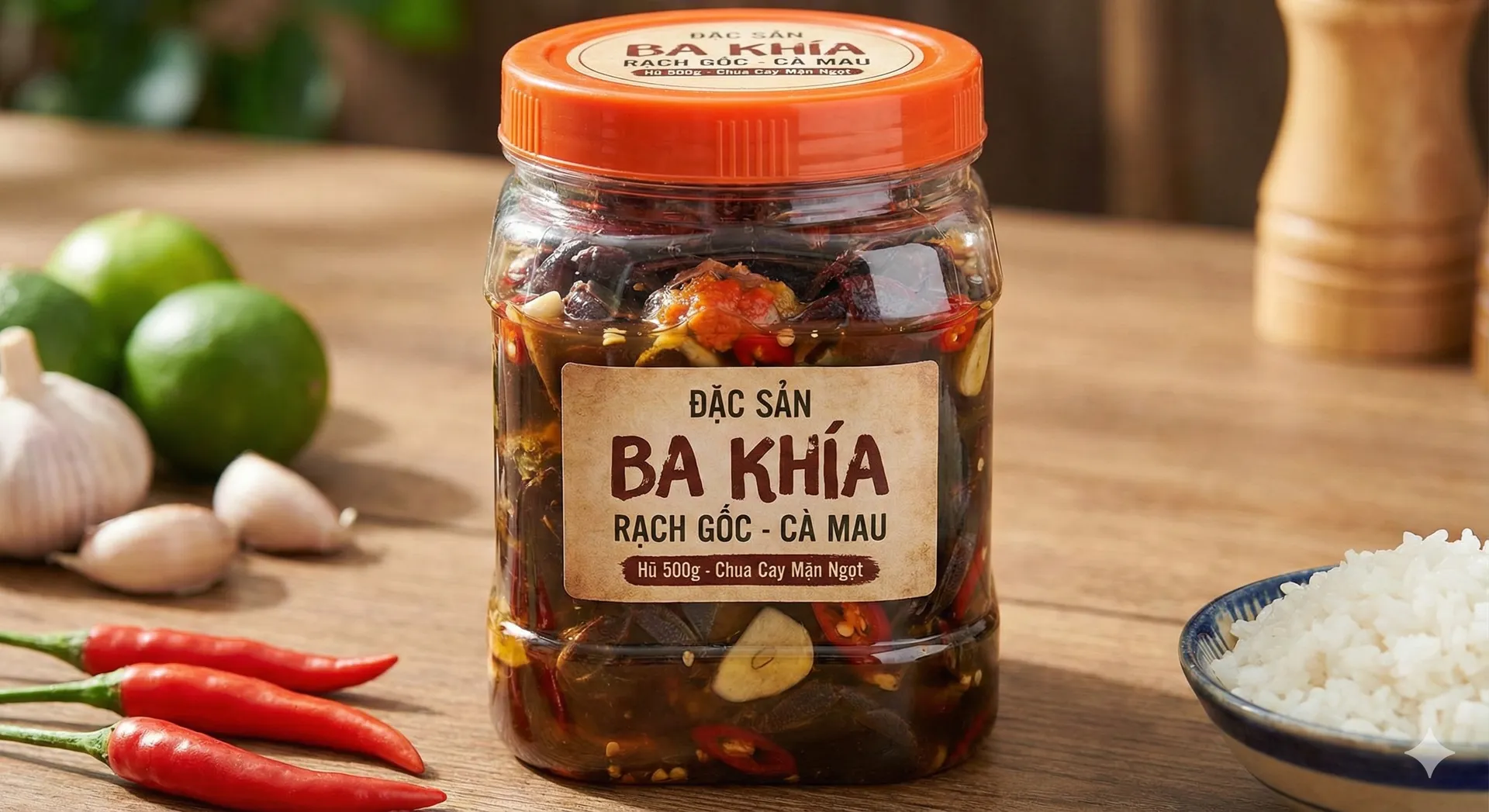
A rustic, intensely flavorful specialty, 'Ba Khia' are a testament to the delta's preserved seafood culture.
Heritage Ingredient
Fermented Mangrove Crab (Ba Khia)
Fermented Mangrove Crab (Ba Khia)
A traditional fermented crab specialty from the mangrove region of Rach Goc, often cited in articles about rustic Mekong Delta flavors and preserved seafood culture.
The salty-sour heartbeat of the wild south, where traditional fermentation turns forest crabs into a nostalgic explosion of rustic Mekong soul.
Giant Freshwater Prawns
While not always from the mangroves, these impressive river prawns embody the delta's rich aquatic bounty.

Heritage Ingredient
Mekong Giant Freshwater Prawn
Mekong Giant Freshwater Prawn
A river prawn with long blue claws and rich head fat, common in grilled prawn dishes and hotpot traditions across the Mekong basin.
Majestic blue-clawed warriors of the Mekong, famous for their rich, fatty heads and a savory depth that captures the essence of the delta's rivers.
Mudskippers & More
The mudflats teem with unique species like mudskippers, often grilled locally, offering a taste of the truly wild delta.
6 Cultivating Tomorrow: A Model for Global Aquaculture
The success of mangrove-reared shrimp in Ca Mau is more than just a local story. It offers a tangible, scalable model for sustainable aquaculture worldwide. As we grapple with the dual challenges of feeding a growing population and protecting our planet, methods that integrate food production with ecological preservation become paramount.
These farms demonstrate that high yields and premium quality can coexist with ecological balance. They foster biodiversity, protect coastlines from erosion and storm surges, and sequester carbon. By choosing eco-shrimp, consumers are not just indulging in a superior culinary experience; they are actively supporting a more sustainable and resilient food system.
7 Letting the Prawn Shine
The beauty of Ca Mau's eco-shrimp lies in its inherent quality. They don't need heavy sauces or complex preparations to impress. Simple cooking methods are best to highlight their natural sweetness and firm texture.
Ideal Preparations:
- Steamed: A classic. Serve with a zesty lime-salt-chili dip.
- Grilled: Brush lightly with garlic butter or a simple marinade.
- Sautéed: Quick stir-fries with minimal ingredients to let the shrimp flavor dominate.
- In Broth: Adding them at the last minute to a delicate soup will elevate its flavor profile.
When you get your hands on these premium prawns, treat them with respect. A gentle hand in the kitchen will yield the most rewarding results.
8 The Future is Green, The Future is Now
As we look towards 2026 and beyond, the trajectory for seafood consumption is clear: sustainability and transparency are no longer niche concerns but market demands. The eco-shrimp from Ca Mau's mangrove farms are perfectly positioned to meet this demand.
Expect to see more certifications emerge, more traceability initiatives, and a growing recognition of the value that comes from working with nature, not against it. This shift benefits the planet, supports coastal communities, and, most importantly, delivers an unparalleled eating experience. The humble shrimp, when raised in harmony with the mangroves, becomes a symbol of a brighter, more delicious future.